
Exploring the evolution of gambling through the ages
Ancient Beginnings of Gambling
The roots of gambling can be traced back to ancient civilizations, where games of chance were first recorded. The earliest evidence dates back to around 3000 BC in China, where people played with tiles that resembled what we now recognize as lottery games. These early forms of gambling were often intertwined with rituals and served both entertainment and social functions within the community. Nowadays, sites like somalia1xbet.com demonstrate how far the concept has evolved.
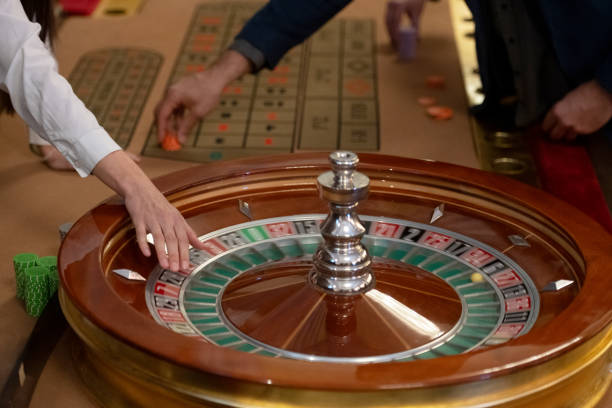
In ancient Rome, gambling was a popular pastime among citizens. They engaged in various games, including dice games and betting on gladiatorial contests. This cultural acceptance laid the groundwork for gambling as a respected, albeit risky, activity, seen not just as a form of entertainment but also as a way to demonstrate luck and skill.
The Influence of the Middle Ages
The Middle Ages saw significant shifts in gambling practices, especially in Europe. Card games became increasingly popular, evolving from earlier pastimes to structured games played in taverns and among nobility. The introduction of playing cards from Asia played a crucial role in diversifying gambling options and making them more accessible to the masses.
During this period, gambling was often frowned upon by the Church, which viewed it as sinful. However, public demand for games persisted, leading to a complex relationship between gambling, societal norms, and the law. The establishment of regulations aimed at curbing gambling often had the opposite effect, promoting underground gambling activities that thrived in secrecy.
Gambling in the Modern Era
The 18th and 19th centuries marked the birth of modern gambling as we know it today. The advent of licensed casinos in Europe brought legitimacy to gambling, making it a more organized and regulated activity. The opening of the first official casino in Venice in 1638 set a precedent for the development of gambling houses worldwide, where patrons could experience games of chance in a formal setting.
In America, the Gold Rush of the mid-1800s fueled a gambling boom. As people flocked to the West in search of fortune, gambling establishments proliferated in burgeoning towns. This era contributed to the image of gambling as an integral part of American culture, often associated with risk-taking and adventure.
The Rise of Online Gambling
The late 20th century introduced a revolutionary change in the gambling landscape with the advent of the internet. Online gambling emerged in the mid-1990s, offering players the convenience of placing bets from home. This shift transformed the industry, providing access to a wider audience and creating opportunities for innovation in gaming.
Regulatory frameworks began evolving to accommodate online gambling, with jurisdictions creating laws to govern the burgeoning industry. As technology advanced, online casinos offered sophisticated platforms that simulated the casino experience, attracting millions of players and changing the traditional gambling dynamic forever.

Conclusion on Gambling Evolution
The evolution of gambling reflects broader societal changes and technological advancements throughout history. From ancient rituals to modern online platforms, gambling has adapted to meet the desires and needs of each era. As cultural perspectives on gambling continue to shift, the industry will likely keep evolving, merging tradition with innovation.
For those interested in delving deeper into this fascinating subject, exploring various cultural perspectives can provide valuable insights into the role gambling plays in different societies. Understanding the historical context enriches our appreciation of contemporary gambling practices and the future possibilities that lie ahead.